Introduction
The Colonial Period in North America marks a transformative era characterized by exploration, settlement, and the establishment of new societies. Beginning in the late 16th century, European powers embarked on colonizing efforts that would shape the continent’s demographic, cultural, and political landscapes. This article delves into the early settlements, focusing on their origins, challenges, and enduring legacies.
Keywords:
1. Historical Context of Colonization
1.1 European Motivations for Colonization
European nations, driven by economic ambitions, religious zeal, and the desire for territorial expansion, turned their attention to the New World. The promise of abundant resources and strategic advantages fueled expeditions across the Atlantic.
1.2 The Role of Charter Companies
Charter companies, such as the Virginia Company and the Massachusetts Bay Company, played pivotal roles in organizing and financing colonization efforts. These entities facilitated the establishment of settlements by pooling resources and securing royal endorsements.
2. Notable Early Settlements
2.1 Jamestown (1607)
Established by the Virginia Company, Jamestown became the first permanent English settlement in North America. Despite facing severe hardships, including disease and food shortages, the colony laid the groundwork for English expansion in the region.
2.2 Plymouth Colony (1620)
Founded by the Pilgrims seeking religious freedom, Plymouth Colony exemplified the intertwining of faith and governance. The Mayflower Compact, signed aboard the Mayflower, introduced a form of self-governance that influenced future democratic practices.
3. Interactions with Indigenous Peoples
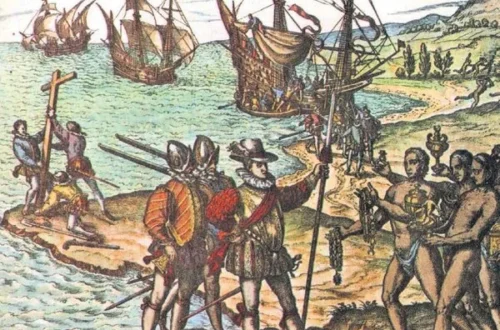
Early settlers encountered diverse Indigenous communities, leading to a complex tapestry of cooperation and conflict. While some alliances were formed, competition over resources and differing worldviews often resulted in tensions and hostilities.
4. Economic and Social Structures
4.1 Agricultural Practices
Settlements relied heavily on agriculture, adapting European farming techniques to the New World’s environment. Tobacco cultivation, in particular, became a lucrative enterprise in colonies like Virginia.
4.2 Labor Systems
The demand for labor led to the utilization of indentured servitude and, tragically, the introduction of enslaved Africans. These systems had profound implications for the social and economic fabric of colonial societies.
5. Legacy of Early Colonization
The early colonial period set precedents in governance, economic models, and cultural exchanges that resonate to this day. The foundations laid during this era influenced the development of democratic institutions and the complex multicultural identity of modern North America.
References
- Library of Congress. (n.d.). Colonial Settlement, 1600s – 1763. Retrieved from https://www.loc.gov/classroom-materials/united-states-history-primary-source-timeline/colonial-settlement-1600-1763/
- Digital History. (n.d.). Overview of the Colonial Era. Retrieved from https://www.digitalhistory.uh.edu/era.cfm?eraid=2&smtid=1
- SpringerLink. (2023). Settlement growth and military conflict in early colonial New England. Retrieved from https://link.springer.com/article/10.1007/s10657-024-09792-1
- Gilder Lehrman Institute of American History. (n.d.). Timeline: Colonization and Settlement, 1585–1763. Retrieved from https://www.gilderlehrman.org/history-resources/online-exhibitions/timeline-colonization-and-settlement-1585-1763
Tags: Colonial Period early settlements European exploration. Jamestown North American colonization Plymouth Colony