1. Introduction
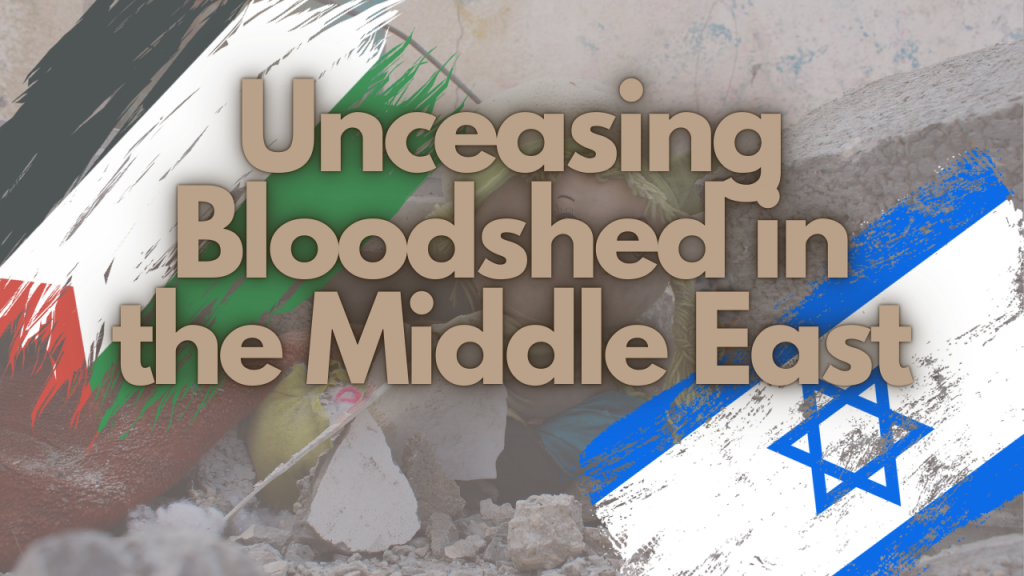
The Israeli-Palestinian conflict has evolved over more than a century into a multifaceted struggle involving nationalism, territorial disputes, and international diplomacy. Rooted in overlapping historical narratives and competing claims to land, the conflict has produced periods of violent confrontations and intermittent attempts at peace. This article explores the historical, political, and socio-economic layers of the conflict while considering recent peace initiatives and ongoing challenges.
2. Historical Background and Origins
2.1 Colonial Legacies and National Movements
The modern conflict’s origins can be traced back to the end of the Ottoman Empire and the subsequent British Mandate period. Both Jewish and Arab national movements developed during this era, with the Balfour Declaration (1917) and subsequent international agreements setting the stage for conflicting aspirations over the same territory. While Jewish communities sought a homeland, Arab residents opposed mass immigration and land redistribution—an antagonism that has defined the region’s geopolitical landscape.
2.2 Post-World War II Developments
After World War II, the establishment of the State of Israel in 1948 and the ensuing displacement of Palestinian populations intensified hostilities. The war that followed, known to Palestinians as the Nakba, and subsequent conflicts established a pattern of warfare and negotiation that continues to influence perceptions and policies today.
Scholarly works such as those by historians like Benny Morris and Ilan Pappé have explored these transformative decades, emphasizing the roles of colonial legacies and national identity formation.
3. Key Developments and Conflict Dynamics
3.1 Milestone Conflicts and Intifadas
Major wars in 1948, 1967, and 1973, as well as the two Intifadas, have shaped the contours of the conflict. These military confrontations resulted in significant territorial changes, shifts in international alliances, and deepened community divisions. The loss of territory and recurrent cycles of violence have both reinforced hardline positions and fueled demands for renewed dialogue.
3.2 Diplomatic Efforts and Peace Initiatives
Efforts to resolve the conflict have included numerous bilateral and multilateral negotiations. Landmark agreements, such as the Oslo Accords in the 1990s and subsequent initiatives at Camp David and Annapolis, reflected the desire for a two-state solution. However, unresolved issues—such as the status of Jerusalem, security arrangements, and refugees’ rights—continue to hamper lasting peace.
The works of Rashid Khalidi and Edward Said provide critical insights into the peace process and highlight the persistent ideological divides.
4. Socio-Economic and Cultural Impacts
4.1 Economic Disparities and Human Development
The prolonged conflict has severely affected both Israeli and Palestinian societies. Economic disparities, restricted access to resources, and disruptions in commerce have led to long-term socio-economic challenges. These issues are compounded by limited mobility, recurring infrastructural damage, and the psychological toll of conflict on communities.
4.2 Cultural Narratives and Identity
Cultural identity remains central to each side’s national narrative. The shaping of historical memory has been influenced by education, media, and cultural production, resulting in mutually reinforcing narratives of victimization and resistance. These narratives play a significant role in maintaining collective identities and influencing political discourse on both sides.
5. Contemporary Challenges and Prospects for Peace
5.1 Political Fragmentation and Governance
In recent decades, internal political fragmentation—within both Israeli and Palestinian leadership—has complicated peace efforts. Diverse factions, shifting alliances, and challenges related to governance and representation all serve to perpetuate conflict dynamics.
5.2 International Involvement and Future Outlook
The international community has continued to play a mediating role, although external interventions have sometimes reinforced existing divisions. As new regional dynamics emerge in the broader Middle East, the international community faces the ongoing challenge of promoting dialogue while respecting the complexity of local realities.
Recent academic debates underscore the importance of sustained dialogue and compromise, emphasizing the need for innovative approaches that combine political, economic, and cultural solutions.
6. Conclusion
The Israeli-Palestinian conflict remains a deeply entrenched dispute with historical roots that span over a century. Through an examination of its origins, key historical events, socio-economic challenges, and ongoing diplomatic efforts, this article highlights the complex interplay of forces that continue to drive the conflict. As the search for a sustainable resolution persists, understanding the multifaceted nature of this conflict is essential for scholars, policy-makers, and those seeking to contribute to future peacebuilding efforts.
For academics and history enthusiasts alike, the dynamics of the Israeli-Palestinian conflict offer critical insights into the challenges of national identity, state sovereignty, and human rights in a contested region.
References
- Khalidi, R. (1997). The Iron Cage: The Story of the Palestinian Struggle for Statehood. Basic Books.
- Morris, B. (2001). Righteous Victims: A History of the Zionist-Arab Conflict. Vintage.
- Said, E. W. (1979). The Question of Palestine. Vintage Books.
- Pappé, I. (2004). A History of Modern Palestine: One Land, Two Peoples. Cambridge University Press.
- Additional academic articles and institutional reports on Middle Eastern studies and conflict resolution.
Tags: academic analysis conflict overview Israeli-Palestinian conflict Middle East history peace process territorial disputes

