Introduction
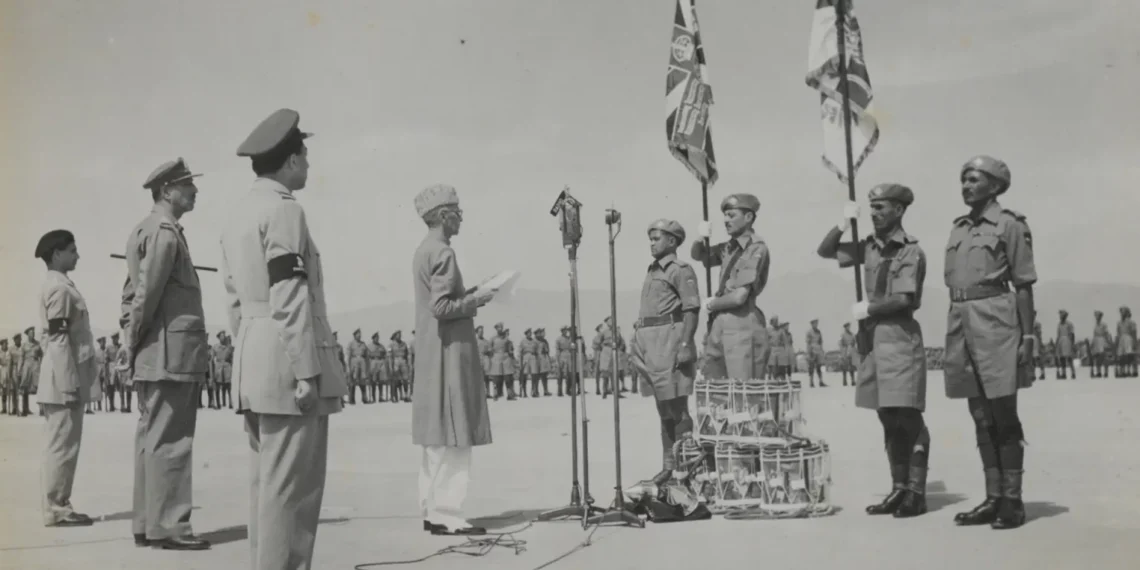
On August 15, 1947, India achieved independence after nearly two centuries under British colonial rule. This historic event marked the end of the British Empire in the Indian subcontinent and gave rise to one of the largest democracies in the world. India’s path to freedom was long, filled with struggle, sacrifice, and an unwavering spirit of nationalism.
Colonial Rule: The British Raj in India
The British presence in India began with the East India Company in the early 1600s. Over time, the company gained control through diplomacy, trade, and military power. Following the Revolt of 1857—also known as the First War of Indian Independence—the British Crown took direct control, and the period known as the British Raj (1858–1947) began.
British rule significantly impacted India’s economy, society, and politics. While modern infrastructure such as railways and legal systems were introduced, the benefits largely served colonial interests. Economic policies drained Indian wealth, leading to widespread poverty, famines, and social inequality.
The Rise of Indian Nationalism
By the late 19th century, educated Indians began to demand reforms. The Indian National Congress was formed in 1885, becoming a central platform for nationalist voices. Leaders like Bal Gangadhar Tilak, Gopal Krishna Gokhale, and later Mahatma Gandhi and Jawaharlal Nehru emerged as key figures in the independence movement.
The early 20th century saw a growing demand for Swaraj (self-rule). The horrors of events like the Jallianwala Bagh massacre in 1919 intensified the call for freedom and exposed the brutality of colonial rule to the global stage.
Mahatma Gandhi and the Nonviolent Struggle
Mahatma Gandhi became the face of India’s independence movement through his philosophy of nonviolence (Ahimsa) and civil disobedience. His nationwide campaigns—such as the Salt March (1930), Quit India Movement (1942), and promotion of self-reliance—mobilized millions across all social classes.
Gandhi’s peaceful resistance attracted global admiration and placed moral pressure on the British government. Despite being imprisoned several times, his commitment to justice never wavered.
The Road to Independence
World War II weakened Britain economically and politically, making it harder to maintain control over its colonies. In India, the demand for independence reached its peak. Growing unrest, coupled with the efforts of nationalist leaders and mass mobilization, made continued colonial rule unsustainable.
On June 3, 1947, the British government announced its plan to transfer power. The Indian Independence Act was passed, and on August 15, 1947, India became a free nation.
Partition and Its Aftermath
Freedom came at a heavy cost. British India was divided into two independent nations—India and Pakistan. The partition triggered one of the largest and most violent mass migrations in history, displacing over 10 million people and leading to communal riots, massacres, and lasting trauma.
Despite the tragedy, India emerged as a sovereign republic, committed to democracy, secularism, and social justice.
Legacy and Impact
India’s independence inspired other nations under colonial rule to fight for their freedom. Today, India is recognized as the world’s largest democracy and a global player in economics, technology, and culture. The journey from colonization to independence remains a powerful symbol of resilience and collective action.
Conclusion
India’s independence in 1947 was not just the end of foreign rule—it was the beginning of a new era of self-governance and national identity. Through decades of resistance, unity, and vision, India transformed itself from a colony into a proud, independent nation. The story of Indian independence continues to inspire freedom movements around the world.
Tags: British colonial rule in India British Raj colonial India history India independence 1947 Indian freedom movement Mahatma Gandhi partition of India Quit India Movement


